You have actually most likely experienced the aggravation of enjoying your loved one get detached treatment from multiple providers that don't seem to speak to each various other. This fragmented method isn't simply inefficient-- it's potentially hazardous and certainly wearing down for families. The community network strategy flips this version entirely, developing interconnected partnerships in between caregivers, healthcare experts, and member of the family. When these connections function effectively, something remarkable takes place that changes the whole care experience.
Recognizing the Change From Fragmented to Networked Care Versions
While traditional home treatment has run via isolated supplier networks that rarely interact with each other, today's most effective end results arise from interconnected systems where caregivers, relative, and healthcare specialists function as combined teams.You're witnessing an essential improvement where fragmented care designs pave the way to community-centered methods that prioritize cooperation over competition.This change suggests your clients get smooth support across numerous touchpoints. When companies share information and coordinate services, caregivers can prepare for requirements before crises develop.The networked version produces stronger connections in home care for seniors between all stakeholders, leading to enhanced affordable caregivers health services health end results and higher contentment rates. You'll locate that joint treatment versions decrease redundancies, eliminate voids in service, and develop sustainable support systems that adapt to altering client needs.Key Stakeholders in Effective Home Treatment Networks These networked treatment designs function through a diverse ecological community of stakeholders that each bring one-of-a-kind proficiency and perspectives to your client's care experience.Healthcare providers establish medical protocols, while caregivers in home
care provide hands-on support tailored to individual demands. In home supportive services coordinate important resources like meal prep work and transportation. Relative add intimate expertise of choices and routines that enhance caregiving effectiveness.Social workers browse complicated systems to safeguard benefits and solutions. Care organizers ensure smooth interaction between all network participants. Technology providers make it possible for real-time monitoring and data sharing across the collective framework.When these stakeholders collaborate strategically, they produce a comprehensive support group that dramatically improves quality of life results for clients receiving home care services.Building Trust fund and Interaction Across Care Teams When multiple experts collaborate your loved one's treatment, establishing depend on becomes the structure that enables reliable collaboration.You'll discover that effective home care solutions focus on clear communication methods that keep all caregivers educated concerning everyday changes and issues. Regular check-ins between treatment teams guarantee every person understands your elder's developing requirements and
preferences.Trust creates when caregivers consistently follow through on
commitments and preserve open dialogue with families. You can reinforce these partnerships by sharing comments regarding what's functioning and what isn't.
This joint approach creates a support group where each team member feels valued and informed.When trust fund and communication flow effortlessly, treatment groups make better choices with each other, inevitably improving end results for seniors while reducing stress and anxiety for families navigating complicated care situations.Technology's Role in Connecting Community Resources As digital systems reinvent healthcare coordination, you'll locate that technology currently functions as the vital bridge attaching your loved one's treatment team with crucial community resources.Modern home treatment solutions use joint systems that seamlessly link caregivers with local assistance programs, transportation services, and specialized healthcare providers.These integrated systems boost care end results by allowing real-time interaction in between your home health care team and community partners.You'll observe how technology streamlines recommendations, consultation organizing, and source sharing, producing more powerful connections across the entire care network.When caregivers can quickly access information regarding offered community sources, they're better
equipped to coordinate comprehensive support for your loved one.This technical connection changes isolated solutions into an unified, collaborative strategy that boosts total treatment top quality and accessibility.Measuring Success With Network-Based Results Success in home treatment prolongs far beyond specific caregiver performance-- it's gauged with the stamina and effectiveness of your entire treatment network.When you review in home care services
, you're assessing how well your professional team collaborates to improve customer wellbeing. Solid relationships between caregivers home health services, relative, and doctor create quantifiable enhancements in health outcomes.Your collaborative approach produces data that exposes network efficiency. Track interaction regularity between team members, reaction times to customer requirements, and control top quality across home care for seniors. These metrics show just how professional partnerships straight influence treatment quality.Measuring success with network-based outcomes suggests examining just how well your home healthcare services incorporate with community sources, producing thorough support systems that provide remarkable results for each customer you serve.Conclusion You've seen how the Community Network Approach transforms home treatment by connecting everybody associated with your loved one's trip. By building these connections, you're developing a support system that doesn't just provide care-- it supplies comfort.
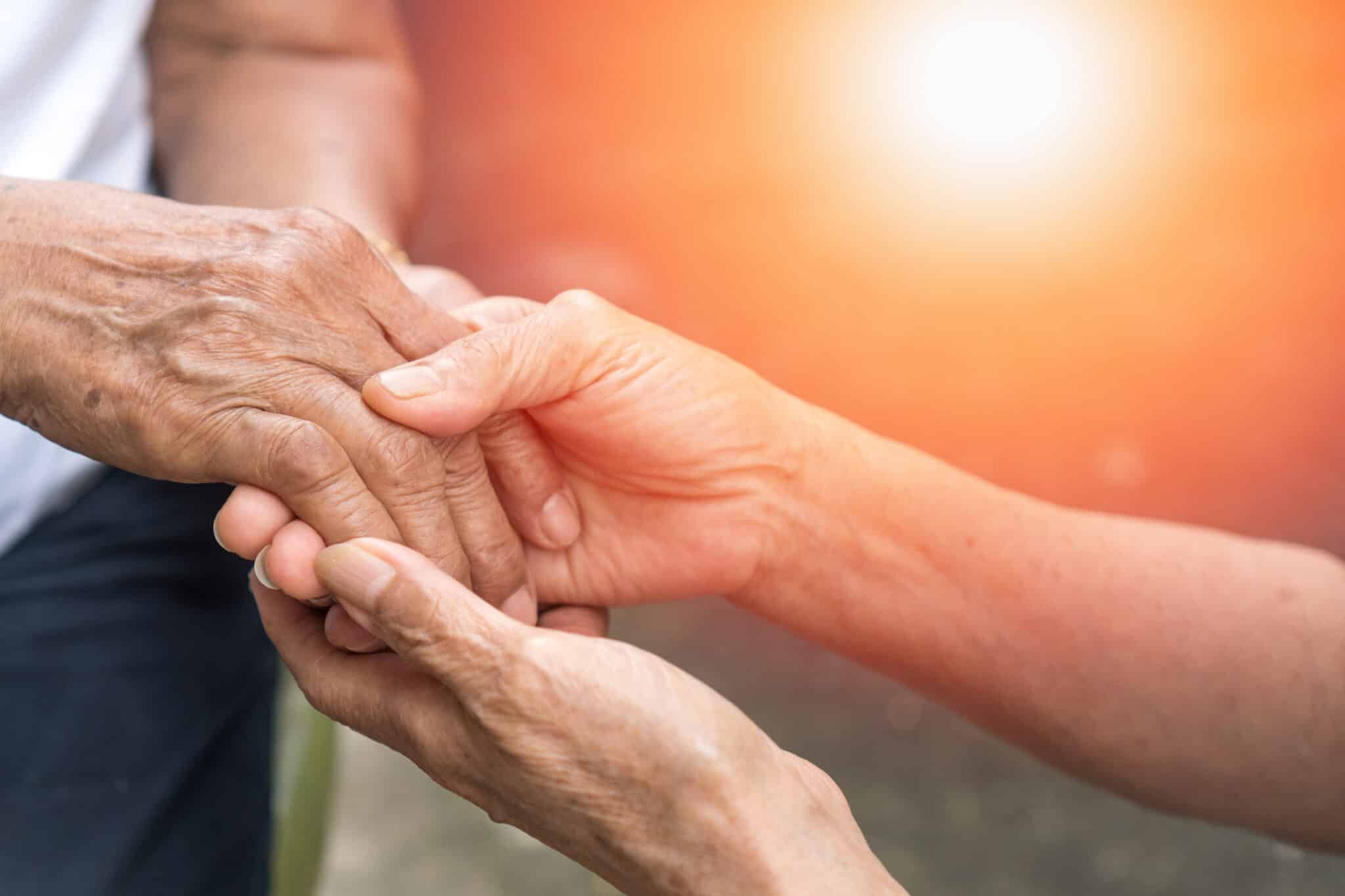
When caregivers, healthcare providers, and relative interact, you'll see enhanced outcomes, better communication, and a treatment experience that genuinely places your family members's needs initially. That's the power of linked care.